


GENERAL INFORMATION:
Poland, officially the Republic of Poland, is a democratic state in Central Europe with its capital in Warsaw, which is also the largest Polish city (approximately 1,700,000 inhabitants). In terms of surface area, it is the 7th largest country in Europe and the 62nd in the world. The terrain is dominated by valleys, only the southern border of the country consists of mountain ranges: the Sudetenland and the Carpathian Mountains. The northern border, extends for 788 km along the Baltic Sea and separates Poland from the Scandinavian peninsula. The other neighboring countries are: Germany, Czech Republic, Slovakia, Ukraine, Belarus, Lithuania and Russia (Krolewiec District). The territory of Poland is divided into 16 voivodeships. The population numbers almost 39 million, which places the country eighth in Europe.
In addition to Warsaw, the largest Polish cities are: Krakow, Łódź, Wroclaw, Poznań, Gdańsk and Szczecin.
The emblem of Poland is the white eagle with a golden crown on a red background. The national flag is white and red.
The longest Polish river is the Vistula (1,047 km) which flows from south to north to the Baltic Sea.
Since 1999, Poland has been part of NATO, and since 1 May 2004 it has been a member of the European Union (EU).
THE MONETARY SYSTEM:
złoty (PLN) ; 1 złoty (PLN) = 100 groszy (gr)
THE LANGUAGE:
The official language is Polish, which belongs to the Western branch of the Slavic languages. It is spoken by almost 100% of the population, while German, Lithuanian, Belarusian and Ukrainian are minority languages.
RELIGION:
About 89% of Poles belong to the Roman Catholic Church. In 1978 the Polish cardinal Karol Wojtyła was elected pope and took the name John Paul II. There are also around 35 other churches and religious associations in Poland. The largest community is the Orthodox Church with approximately 506,000 followers and the Evangelical Lutheran Church with approximately 150,000 followers. There are also synagogues, mosques and Protestant and Buddhist places of worship.
THE TIME:
Poland is located in the Central European Time Zone (GMT+01:00), like most European countries such as: Spain, France, Germany, Netherlands, Italy, Austria, Slovakia and Hungary. The same applies to the date of change of summer time and winter time.
THE CLIMATE:
Poland is located in the moderately warm and transitional climate zone. However, the world climate changes from year to year, so from a practical point of view it is worth knowing that the weather in Poland is largely unpredictable and diverse. Summers can be very hot and winters are increasingly mild. There are periods of biting frost and heavy snow, but the so-called "white Christmas" is slowly becoming a pleasant memory. Many people believe that the best time to travel to Poland is from May to October due to the pleasant weather, but in reality Poland has a lot to offer tourists of all ages and at any time of the year.
ENTRY DOCUMENTS:
Poland is part of the Schengen Zone. You must travel with a valid passport or identity card for travel abroad.
MUST SEE IN POLAND - top 8 attractions in Poland:
1/ Krakow Old Town
2/ The Warsaw Royal Route
3/ Wieliczka Salt Mine
4/ The Old Town of Wroclaw
5/ Toruń Medieval Municipal Complex
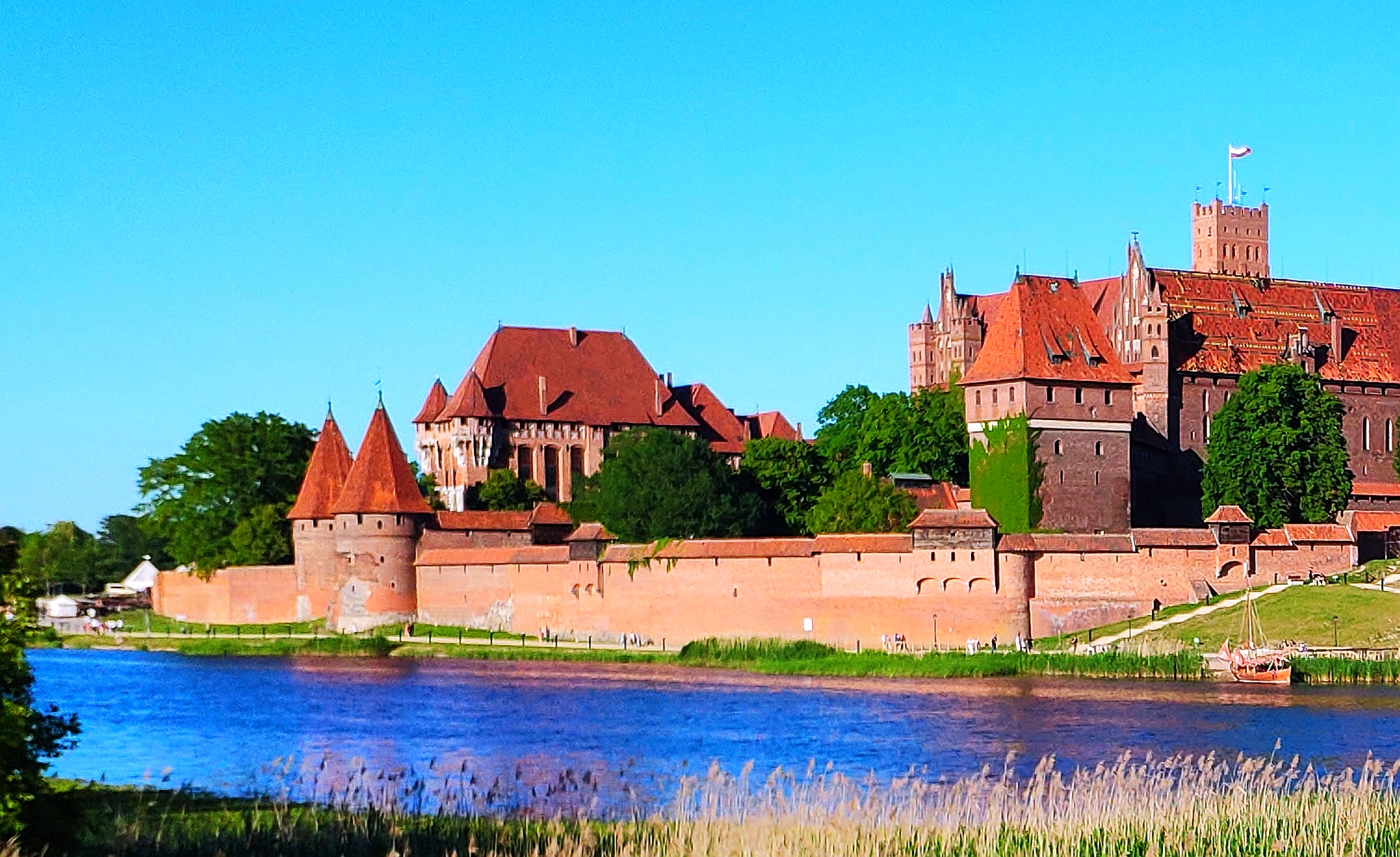
6/ Malbork Teutonic Castle
7/ The land of the great Masurian lakes
8/ Białowieza Forest
and many... many others such as: Gdansk and the Three Cities, Zakopane and the Tatra National Park, the Historic Center of Zamość, Lublin, Poznań and Łódź.
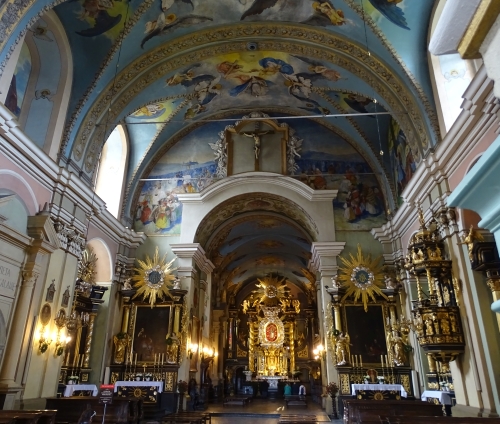
In addition to tourist attractions of historical and natural value, Poland boasts numerous sanctuaries and religious places whose fame goes beyond the borders of our country. Some of them are monuments of inestimable value and witnesses of history with a capital "H". Among the most important Polish holy places are: the Sanctuary of the Black Madonna in Częstochowa, the Sanctuary of Divine Mercy in Kraków-Łagiewniki, the Marian Sanctuary and the Passion of Christ in Kalwaria Zebrzydowska, the Marian Sanctuaries in Licheń and Święta Lipka, the Sanctuary of Our Lady of Fatima in Zakopane, the Sanctuary of St. John Paul II in Łagiewniki and many other smaller prayer centers, existing in almost every corner of Poland.
Considering the interesting and rich, but also tragic history of our country, the Places of National Remembrance cannot be omitted as tangible testimonies of key events in the history of Poland. These include: the Grunwald Monument, the Westerplatte Monument, the German extermination camp Auschwitz - Birkenau, the Monument to the Small Insurgents in Warsaw and many others related to important events in the country.
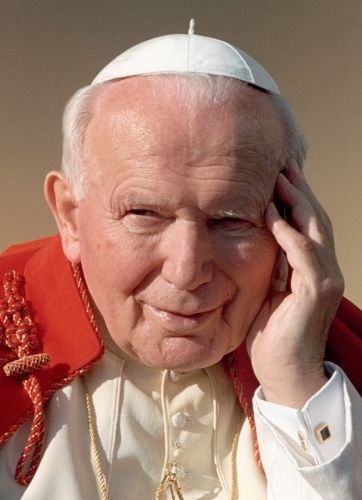
- Pope John Paul II: the most recognized Pole in the world was born in Wadowice as Karol Wojtyła. In 1978 he was elected head of the Catholic Church, becoming the first non-Italian pope in 445 years.
- Lech Wałęsa: an electrician from Gdańsk was the founder of the NSZZ "Solidarność" and the first non-communist president of post-war Poland. His role in bringing about the collapse of the post-war order in Europe and the end of the Cold War places him alongside the figures of John Paul II and Mikhail Gorbachev.
- Wisława Szymborska: poet and translator, one of the few women to receive the Nobel Prize for Literature (1996).
- Kazimierz Pułaski: leader of the Bar Confederation and defender of Jasna Góra. He commanded cavalry on George Washington's side during the American Revolutionary War. He died a glorious death as a result of wounds suffered at the Battle of Savannah.
- Tadeusz Kościuszko: the commander of the national uprising of 1794 in defense of the Constitution of May 3 and the sovereignty of the Polish state (Kościuszko Uprising). He distinguished himself for his engineering and military skills during the Battle of Saratoga during the American Revolutionary War.
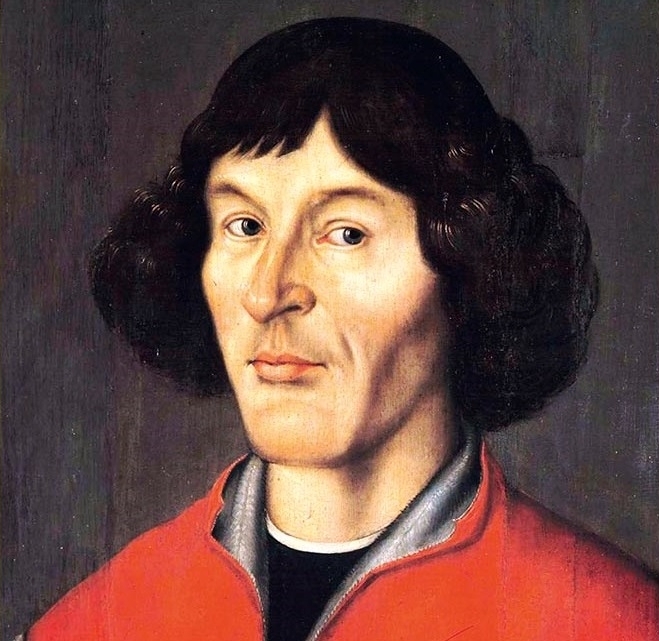
- Nicolaus Copernicus: the founder of modern astronomy. Born in 1473 in Toruń. He gained fame by publishing his work "On the Revolutions of Celestial Bodies", presenting his heliocentric theory, which gave direction to all subsequent research.
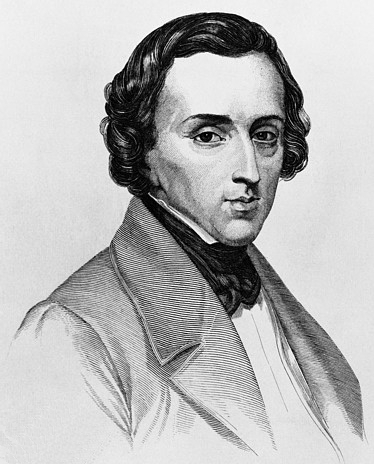
- Frédéric Chopin: a musical genius of the 19th century. Born in Żelazowa Wola, he spent most of his life in Paris. A composer of the Romantic era who introduced revolutionary changes to the world of piano music. His heart rests in the Church of the Holy Cross in Warsaw.
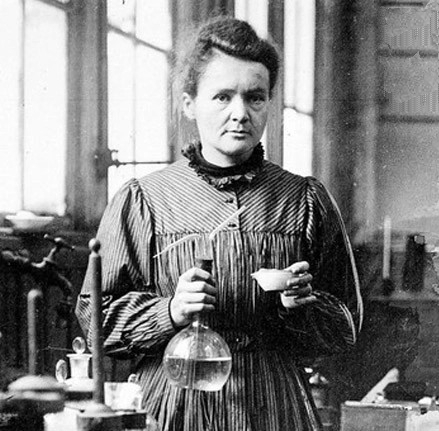
- Marie Curie: born in Warsaw, the only winner of the double Nobel Prize in two different fields of science: physics and chemistry. The discovery of the radioactive element radium represented a major breakthrough in the development of atomic physics and cancer therapy. She was a woman full of passion and determination. Totally dedicated to science, she eventually died due to an illness caused by exposure to radioactive substances.
- Helena ( Chaja ) Rubinstein: born in Podgórze near Krakow, died in New York. Polish businesswoman of Jewish origin, patron of art, innovator and creator of modern cosmetology, founder of Helena Rubinstein Inc., one of the richest women of her era.
- Józef Piłsudski: undoubtedly the leading figure in Polish history of the first half of the 20th century. At least twice, his actions influenced the fate of the entire European community: in November 1918, when Poland regained its independence and in the summer of 1920, when the Bolshevik expansion in Western Europe was stopped.
Furthermore, other people from the world of cinema, sport, art and literature such as: Pola Negri, Roman Polański, Jan A.P. Kaczmarek, Agnieszka Holland, Andrzej Wajda, Olga Tokarczuk, Robert Lewandowski...